 Osasuna Hub
The Culture of Osasuna Fans
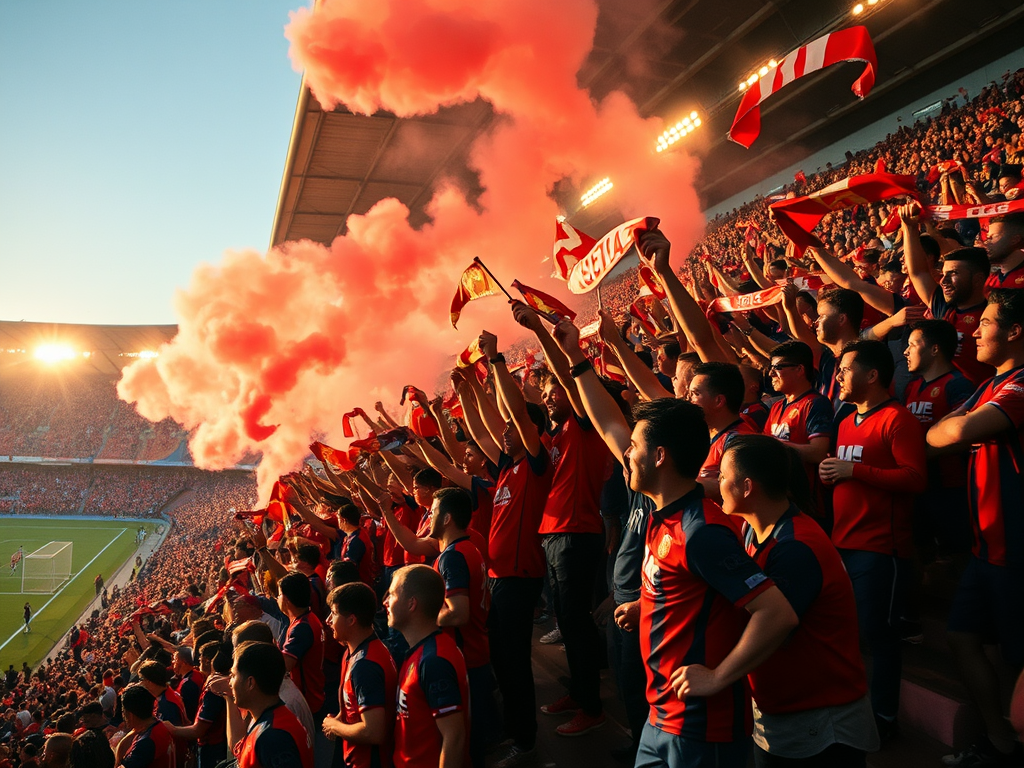
The fans of Osasuna, loyal to their nickname Los Rojillos, have cultivated a culture of support over the years that goes beyond simply watching a match. Every encounter at El Sadar becomes a collective experience, where the connection between the fans and the team is palpable. The streets of Pamplona, filled with red on match days, serve as the first indicator that something special is about to happen. With jerseys, scarves, and flags waving, fans prepare to be part of a ritual that transcends sport.
Rituals at El Sadar
El Sadar is more than a stadium; it is a sanctuary for the fans. From the team's arrival to the final whistle, every moment is marked by well-established rituals. Fans sing the anthem “Osasuna, Osasuna” with fervor before each match, creating an electrifying atmosphere that makes the stands vibrate. Additionally, the famous “haircut” of the crowd, where scarves are waved in a synchronized motion, is a spectacle that not only unites those present but also intimidates opponents.
The Derby and Its Unique Atmosphere
The derby against Real Sociedad is undoubtedly the highlight of the season for Osasuna fans. The rivalry is not limited to the playing field; it begins hours earlier, with fans arriving in the streets of Pamplona to celebrate their collective identity. The streets are filled with chants and cheers, as fan clubs gather to rally behind the team. In El Sadar, the atmosphere is palpable; the tension is felt in every shout and every clap, transforming the stadium into a true hell for visitors. The tradition of lighting flares and fireworks, though controversial, adds a visual element that intensifies the experience.
The Emotional Connection
Beyond the chants and flags, what truly defines Osasuna fans is the emotional connection they have with the club. Many fans have grown up with the team and have experienced its ups and downs. Tears of joy after a monumental victory or sorrow during tough times are part of the fabric that binds this community together. The sense of belonging is strong, and every win is celebrated as a personal triumph, while each loss is felt as a shared grief.
Conclusion
The culture of Osasuna fans is a reflection of the passion and loyalty they feel towards their team. In the heart of Pamplona, Los Rojillos not only support their club; they create an atmosphere that transforms football into a celebration of community. With each match, traditions are renewed and the unbreakable bond between the team and its fans is strengthened, a legacy that will endure as long as there is a ball rolling in El Sadar.